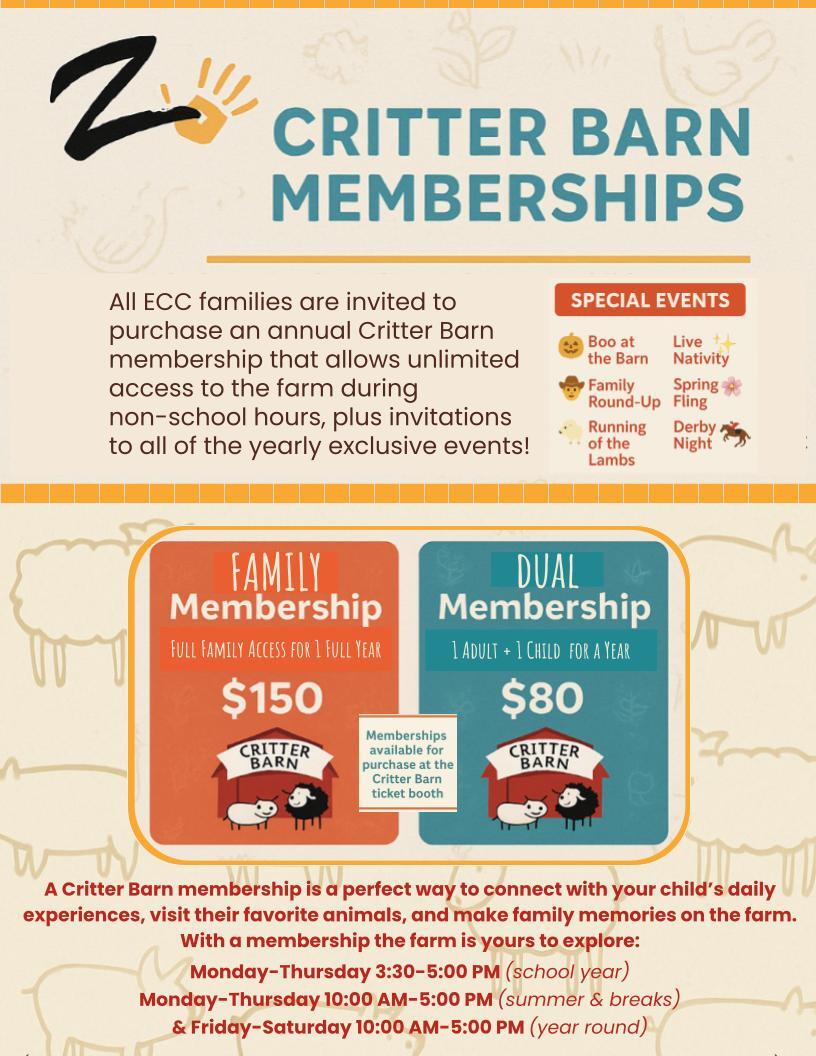

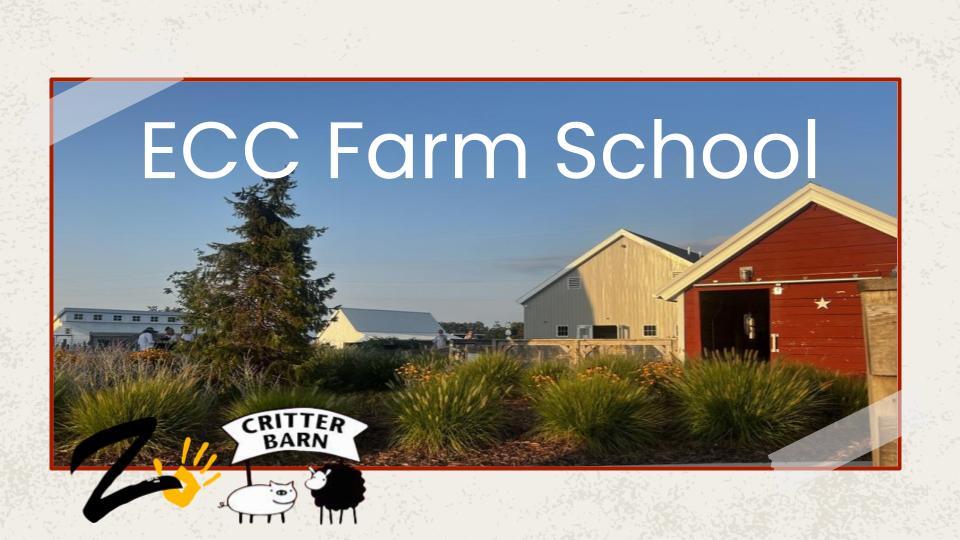
Zeeland ECC Farm School Collaboration at Critter Barn
ZPS PreK for All: Farm School Sample Daily Schedule
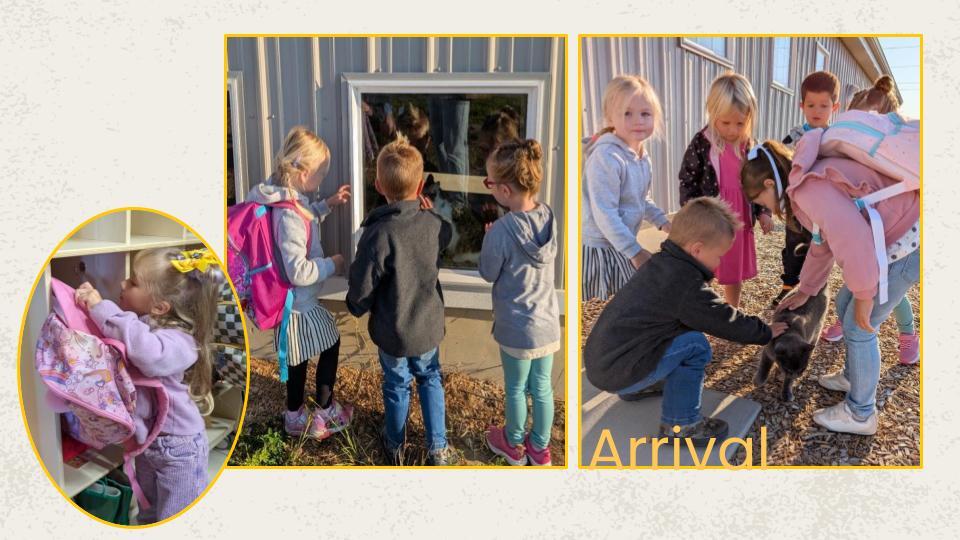
8:40–8:50 Arrival
Teachers will greet students and check them in at the entrance to the outdoor natural play environment.
8:50-9:00 Greeting Time
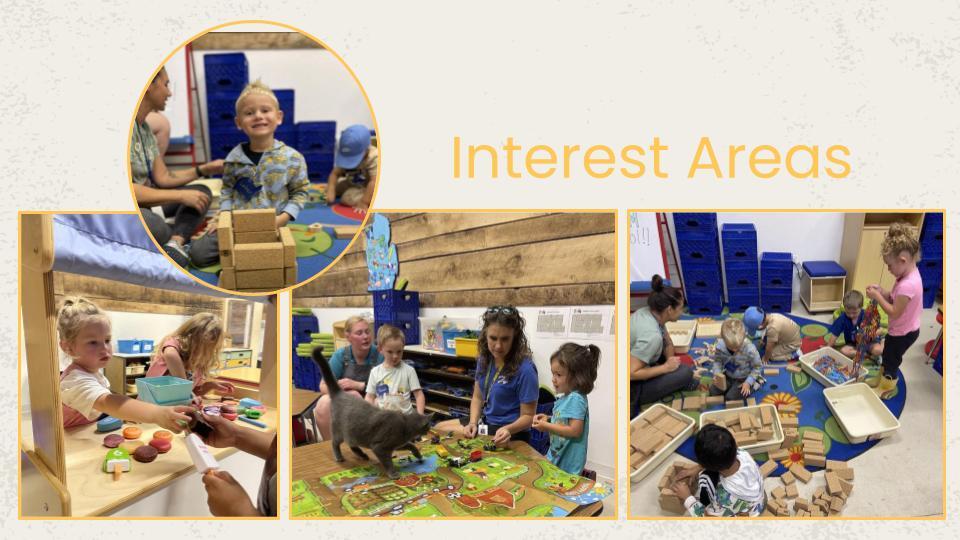
Children enter the classroom in the small barn. Children have rotating choices including spending time with books, fine motor activities, or small animals while interacting with adults and peers.
9:00– 9:15 Large Group Time
All adults and children participate in activities planned around children’s interests, developmental milestones, music and movement, cooperative play and projects, farm life happenings, and other meaningful events.
9:15 – 9:20 Planning Time
Children indicate plans to adults in a place where conversations can occur and where people and materials are visible. Adults use a range of strategies to support children’s planning (e.g., props, area signs, tape recorders, singing, planning individually, in pairs, and in small groups).
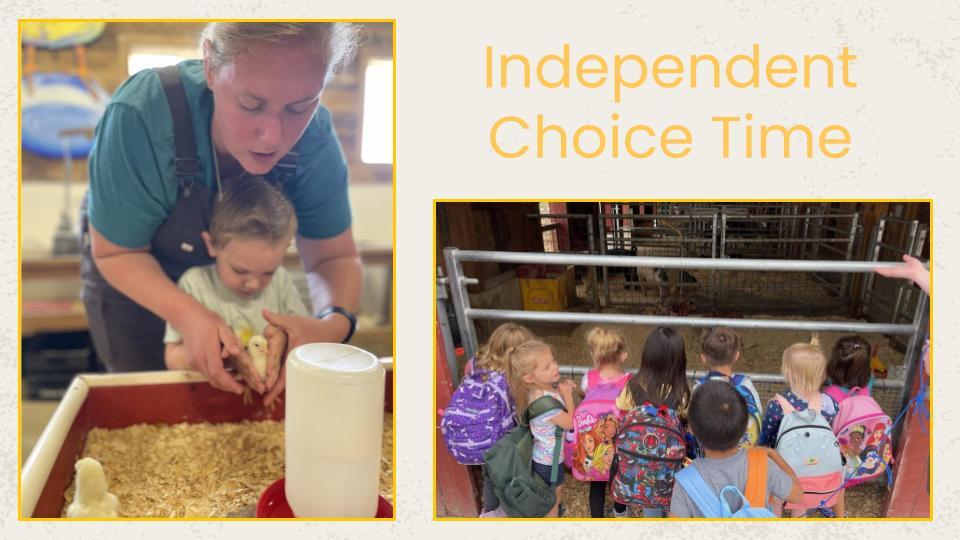
9:20 – 10:20 Independent Choice Time (indoor or outdoor based on weekly plans)
Children initiate activities and make choices about where and how to use materials. During work time, adults participate as partners in child-initiated play and encourage children’s problem-solving with available materials and during times of social conflict. Options around the farm will vary based on season and farm animal life cycles and rhythms. Indoor and outdoor opportunities will be available for exploration.
10:20 – 10:30 Cleanup Time
Children and adults clean up together keeping the spirit of play and problem-solving. Children make choices during clean-up. Adults accept children’s level of involvement and skill while supporting learning.
10:30 – 10:40 Recall Time
Gathered in small group settings, children choose work time experiences to reflect on and exhibit. Adults provide strategies to maintain interest as they follow children’s lead and encourage children to share.
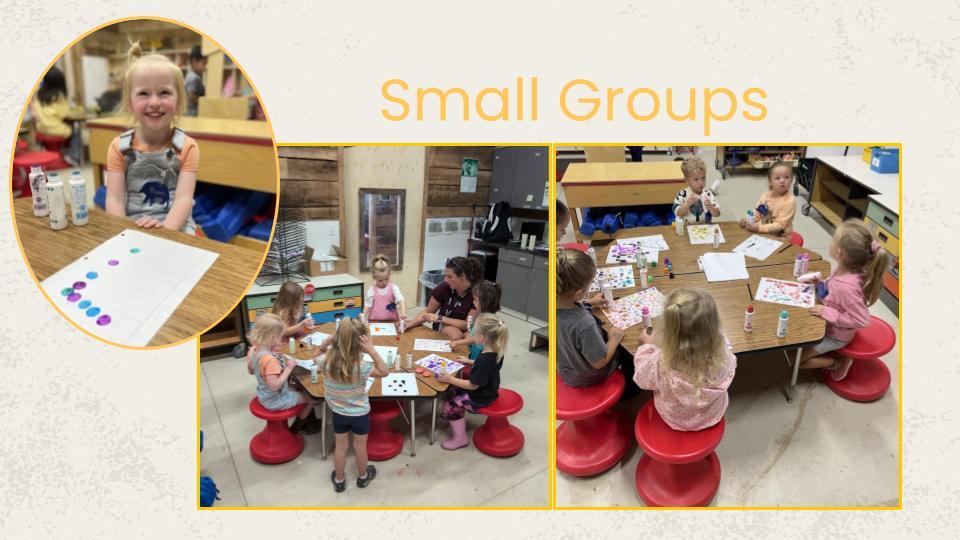
10:40 – 10:55 Small Group Time
Adult-initiated learning experiences based on children’s interests and development. Individual children explore and use the same set of materials in their own way related to our themes.
10:55 – 11:15 Large Group Time
Literacy themed/Study related whole group activities
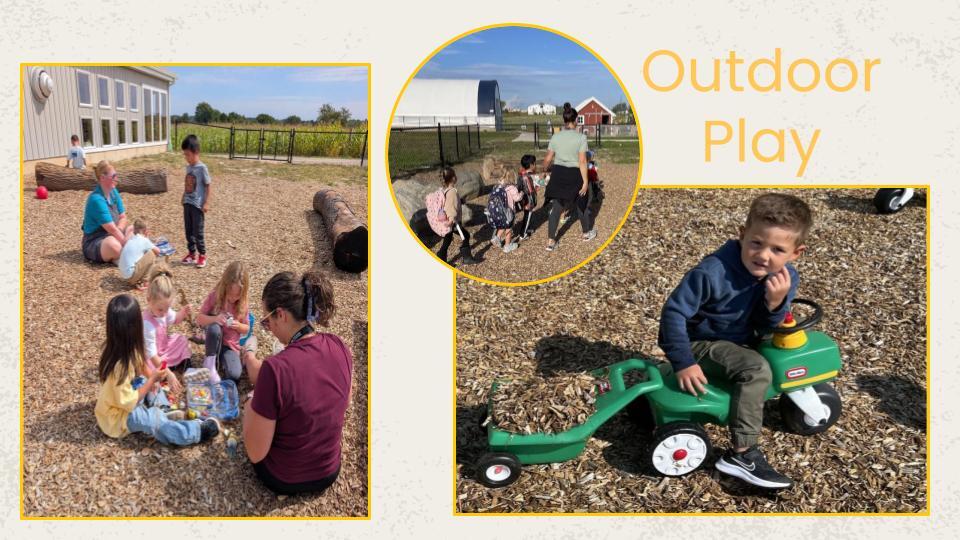
11:15 – 11:45 Outside Time
Children have choices for play in the outdoor learning environment, much as they do during indoor work time. Adults supervise for safety and also join in active outdoor play, supporting student initiatives and problem-solving. This may include nature hikes, large group games, animal care, or other related experiences outside and in the barns.
11:40 Dismissal
Highlights of the Farm School Experience
Farm-to-Learning Integration: Activities are tied to the rhythms of the farm, with themes such as baby animals, planting and harvesting, and the life cycles of insects and plants.
Hands-On K Readiness: Through this integrated farm experience, children will receive high-quality instruction in kindergarten readiness skills, including pre-writing, early literacy, math, and social-emotional development—all woven playfully into everyday activities.
Seasonal and Dynamic Opportunities: Each visit to the farm brings new surprises, from baby animal births to seasonal planting.
Curriculum: Our teachers will plan using our core resource, Creative Curriculum, while thoughtfully adapting studies to bring the farm setting to life. Studies will explore engaging themes such as gardens, pets, sand, insects, trees, simple machines, and exercise grounded in the unique opportunities provided by the farm.
Recommended Supplies: Before school begins our Farm School teachers will provide a list of practical suggested outdoor gear to ensure your child is ready for farm day adventures. This will likely include all-weather boots, rain suits, and cozy seasonal winter wear.
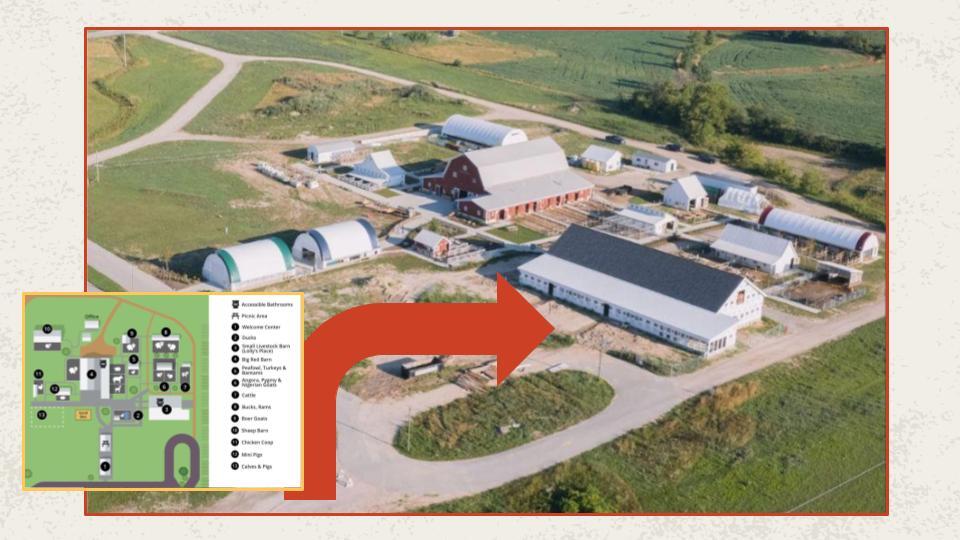
Learning spaces: The daily learning environment will alternate between the Critter Barn classroom & the Early Childhood Center classroom. This dynamic approach ensures every child experiences the wonder of agricultural education, grows a connection to the natural world, and develops essential skills through joyful, purposeful learning.
On Critter Barn Days, children will spend their time in our small barn classroom and the outdoors, giving them the opportunity to immerse fully in farm life. This will include hands-on experiences like observing baby animals being born, gently petting young animals, and helping with chores like feeding and brushing animals.
On ECC building days, students will extend experiential learning with indoor classroom lessons and materials, outdoor play, and small group activities that deepen their understanding of farm-related concepts and studies.